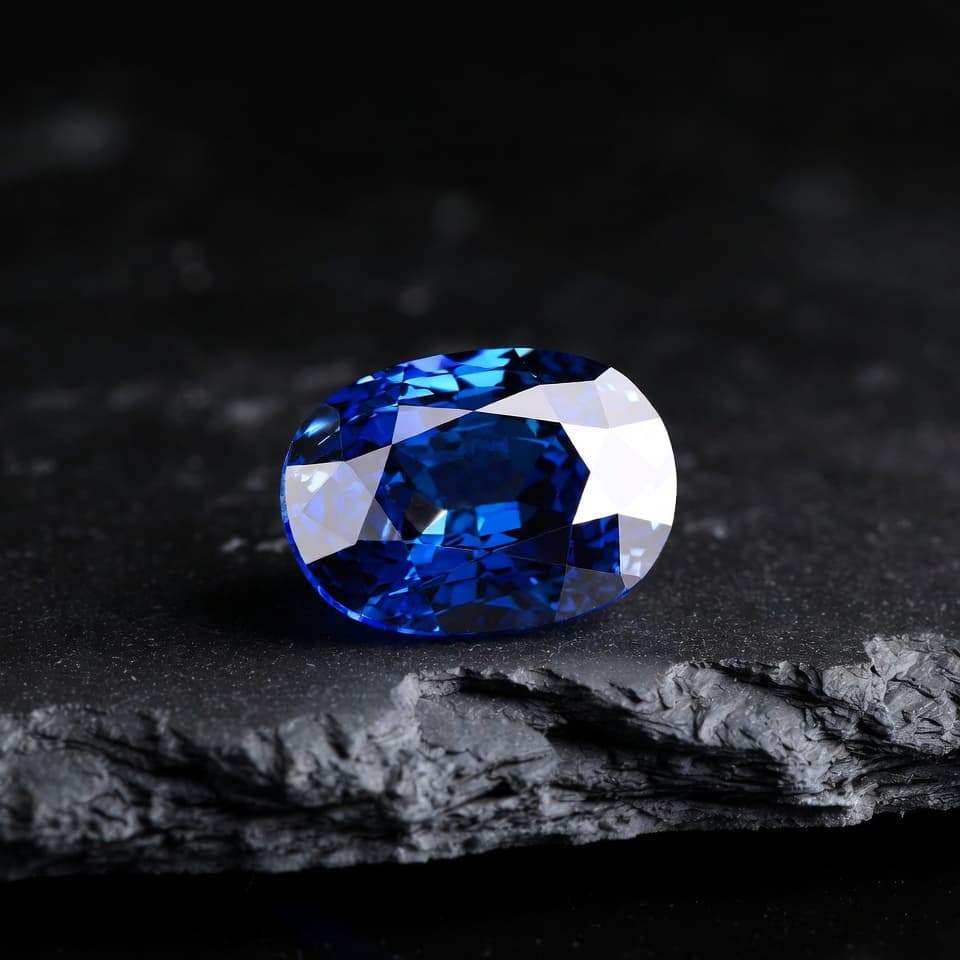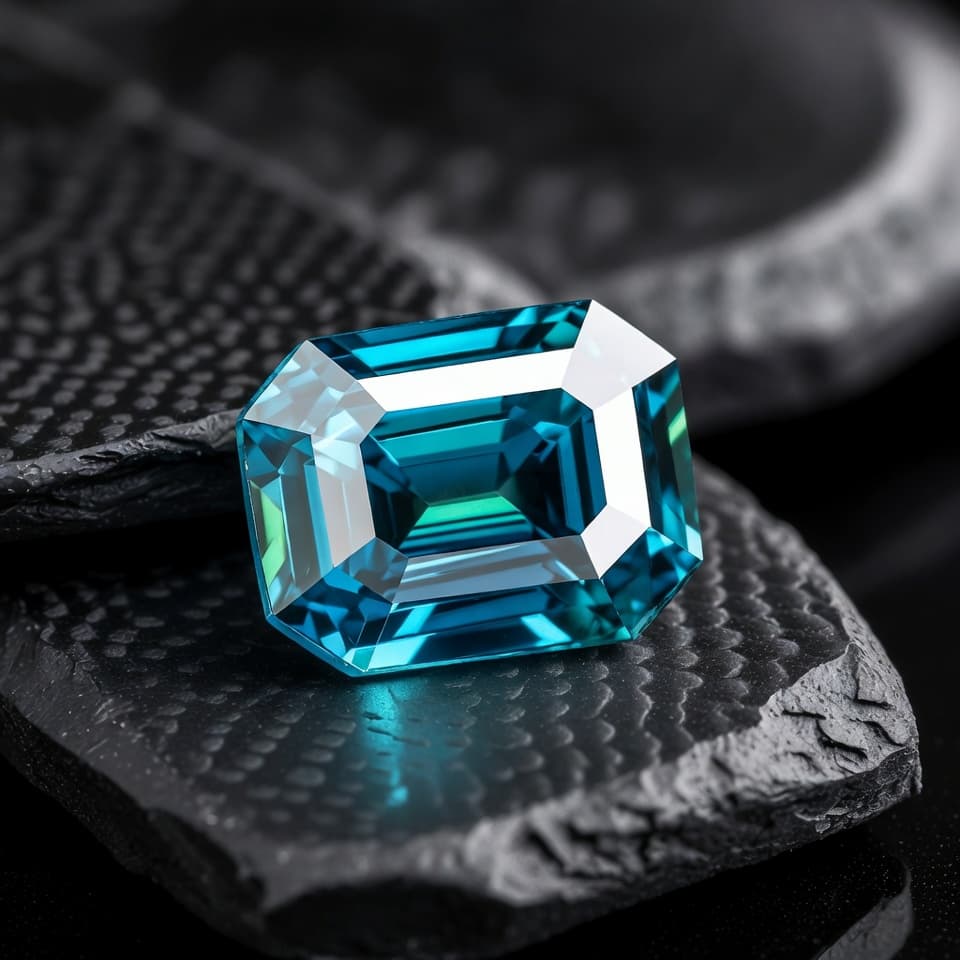
Der Preis eines Ceylon-Saphirs wird von vier Dingen getrieben, grob in dieser Reihenfolge: Herkunft, Behandlung, Farbe und Karat. Saphirpreise umspannen eine der breitesten Spannen aller Edelsteine, von etwa 200 US-Dollar je Karat für einen handelsüblichen erhitzten Stein bis über 200.000 US-Dollar je Karat für einen unbehandelten Kaschmir in Museumsqualität, und Ceylon steht fest in der Prestigestufe, über Madagaskar und nur unter Kaschmir und Burma.
Weil jeder Stein einzigartig ist, kann kein Ratgeber eine genaue Zahl nennen, doch echte Richtwerte zeigen, wie sich die Faktoren stapeln. (Rohan Sapphires ist anfragebasiert: Wir veröffentlichen keine Preise, nennen Ihnen aber jeden Stein auf Anfrage.)
Die vier Preistreiber
- Herkunft – ein im Labor bestätigtes Ceylon-Gutachten stellt einen Stein in die Prestigestufe (etwa 8.000–40.000 US-Dollar je Karat für feines Material).
- Behandlung – unbehandelte Steine (etwa 1 % des Marktes) tragen einen Aufpreis von 40–200 % gegenüber gleichwertigen erhitzten.
- Farbe – Sättigung und „Leben“; Spitzenbezeichnungen wie „Royal Blue“ erzielen am meisten.
- Karat – der Preis je Karat steigt mit der Größe stark; der Bereich von 1–3 Karat ist das Herz der Nachfrage, mit etwa 47 % der Verkäufe.
Richtwerte je Karat
| Typ | Richtpreis / Karat |
|---|---|
| Königsblau (fein) | 4.500–15.500 $ |
| Kornblumenblau | 2.320–6.000+ $ |
| Padparadscha | 1.000–6.000+ $ |
| Unbehandelt, 1 ct, mit GRS-Gutachten | 4.000–12.000 $ |
| Unbehandelt, über 10 ct | 50.000+ $ |
Warum sich ein Zertifikat selbst bezahlt macht
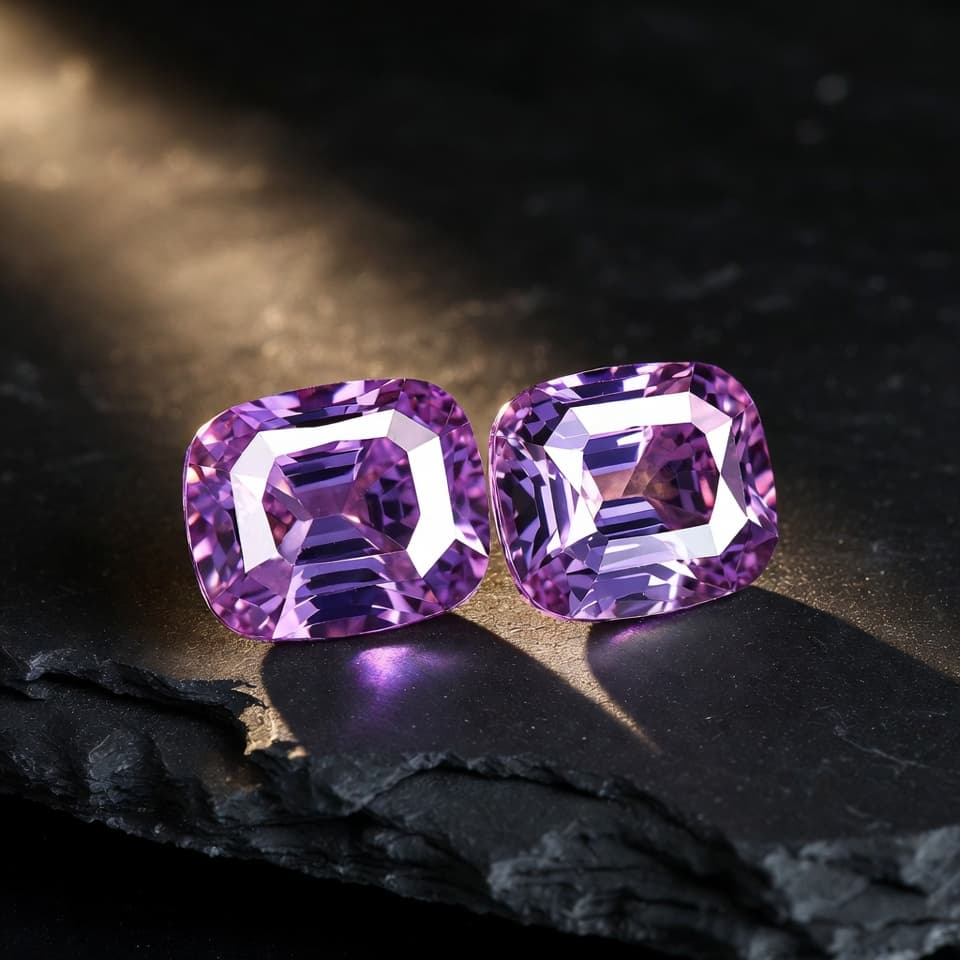
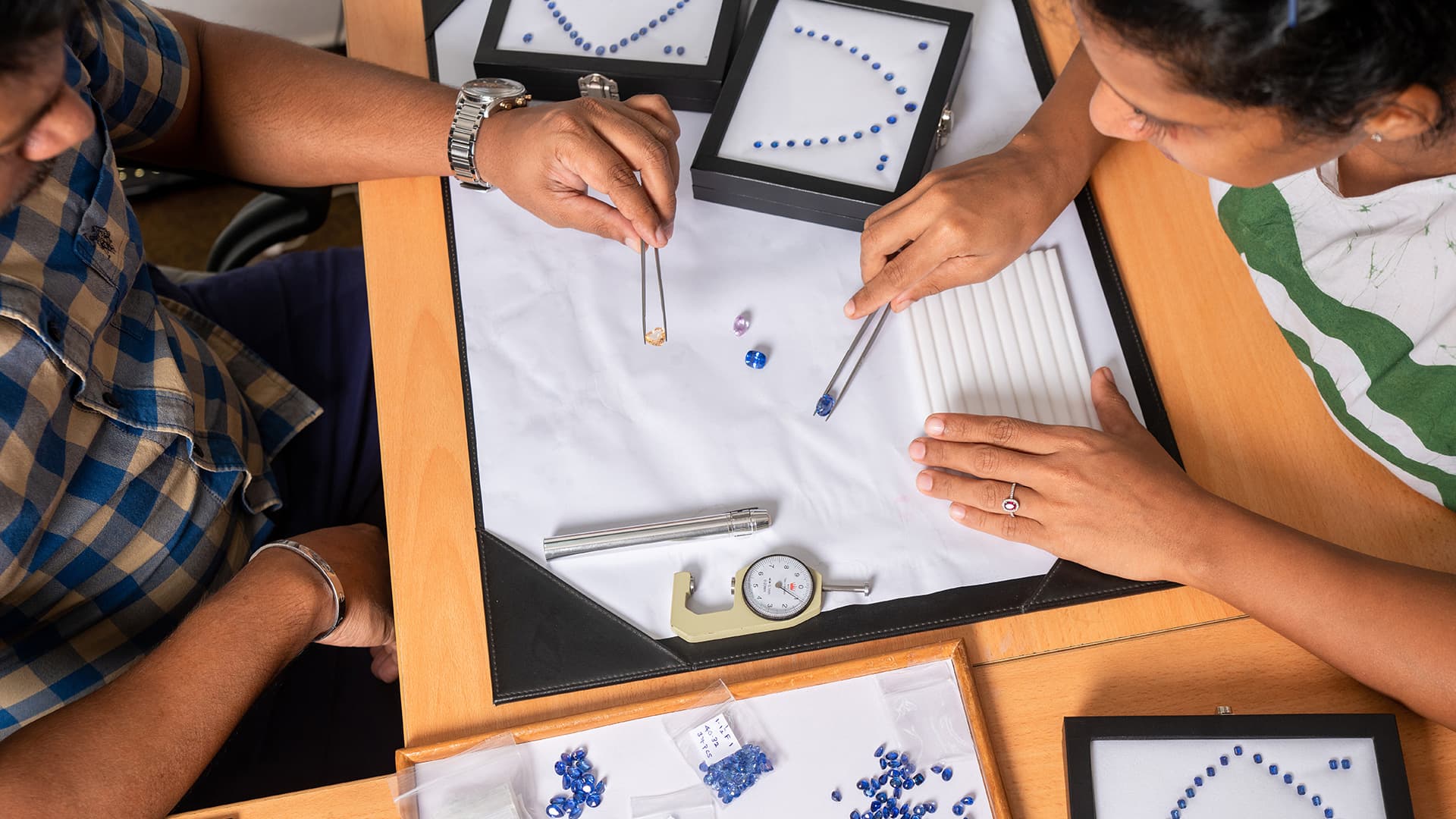
Ein anerkanntes Laborgutachten trägt schätzungsweise 20–50 % zum Wert bei und schützt Sie bei den zwei Tatsachen, die am wichtigsten sind – Herkunft und Behandlung. Bei einem feinen Saphir ist die Zertifizierung kein optionales Extra; sie ist Teil des Preises.
Sind Saphire eine gute Wertanlage?
Feine Saphire haben eine beständige jährliche Wertsteigerung von rund 6–8 % gezeigt, und unbehandelte Ceylon-Steine mit bestätigter Herkunft werden zunehmend als Erbstücke und Wertanlagen behandelt. Aber Zustand, Seltenheit und Papiere bestimmen den Wiederverkauf, sodass der vernünftige Ansatz ist, den besten einzelnen Stein zu kaufen, den Sie sich leisten können, mit vollständiger Dokumentation, statt mehrerer geringerer.
Geben Sie für die Dinge aus, die den Wert halten: bestätigte Ceylon-Herkunft, unbehandelter Status und die beste Farbe, die Sie sich leisten können, in dieser Reihenfolge. Ein Gutachten eines erstklassigen Labors schützt alle drei.
Häufig gestellte Fragen
- Wie viel kostet ein Ceylon-Saphir je Karat?
- Feines Ceylon-Material liegt üblicherweise bei etwa 8.000–40.000 US-Dollar je Karat; Königsblau etwa 4.500–15.500 $, Padparadscha etwa 1.000–6.000+ $, wobei unbehandelte Steine über 10 Karat 50.000 $ je Karat übersteigen.
- Warum sind unbehandelte Saphire teurer?
- Sie sind selten – etwa 1 % des Marktes – und vollkommen natürlich und erzielen einen Aufpreis von 40–200 % gegenüber gleichwertigen erhitzten Steinen.
- Steigert die Größe den Preis stark?
- Ja, der Preis je Karat steigt mit der Größe steil an, sodass ein feiner 5-Karat-Stein weit mehr je Karat kostet als ein 1-Karat-Stein gleicher Qualität.
- Sind Ceylon-Saphire eine gute Wertanlage?
- Feine Steine haben um rund 6–8 % jährlich an Wert gewonnen, und unbehandelte zertifizierte Steine sind als Erbstücke gefragt, doch Seltenheit, Zustand und Dokumentation treiben den Wiederverkaufswert.
- Warum veröffentlicht Rohan Sapphires keine Preise?
- Wir sind anfragebasiert: Jeder Stein ist einzigartig, daher nennen wir Preise auf Anfrage, sobald wir verstehen, was Sie suchen.
Quellen