How a Ceylon sapphire travels from the gem fields to a graded, finished stone.
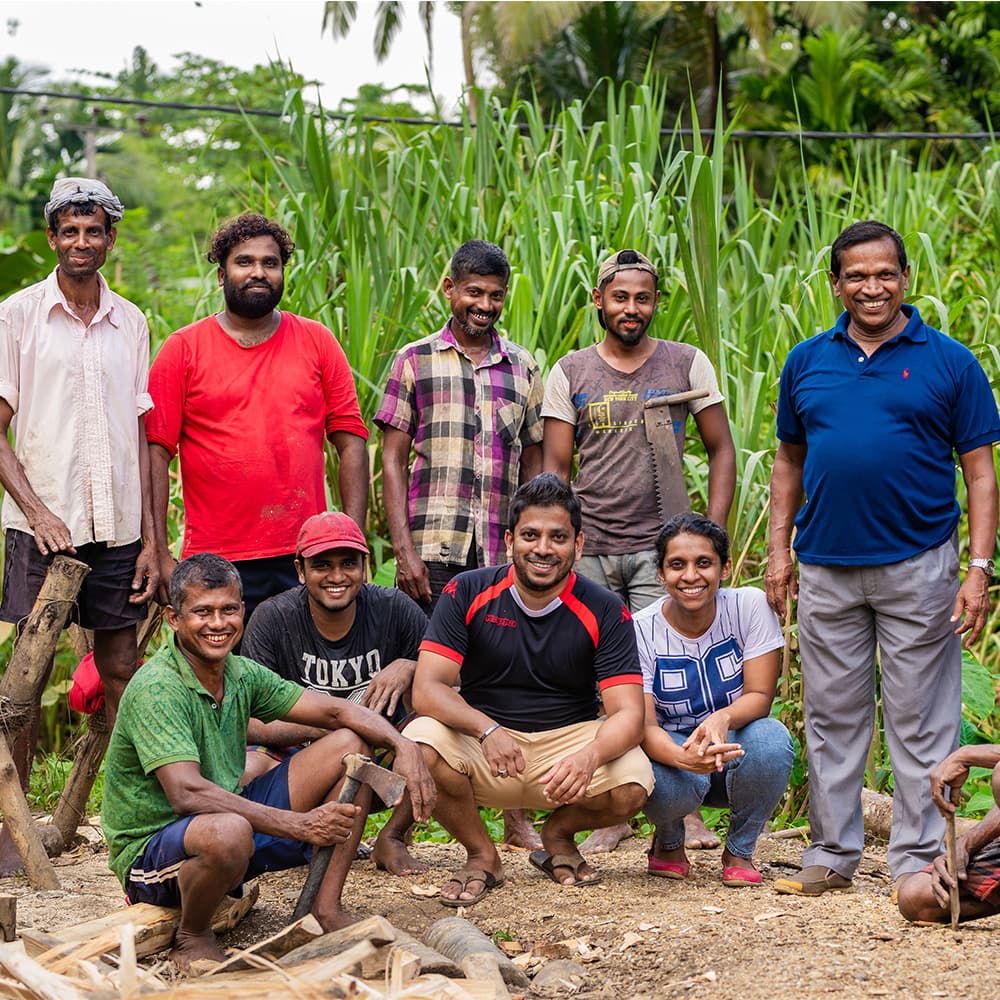
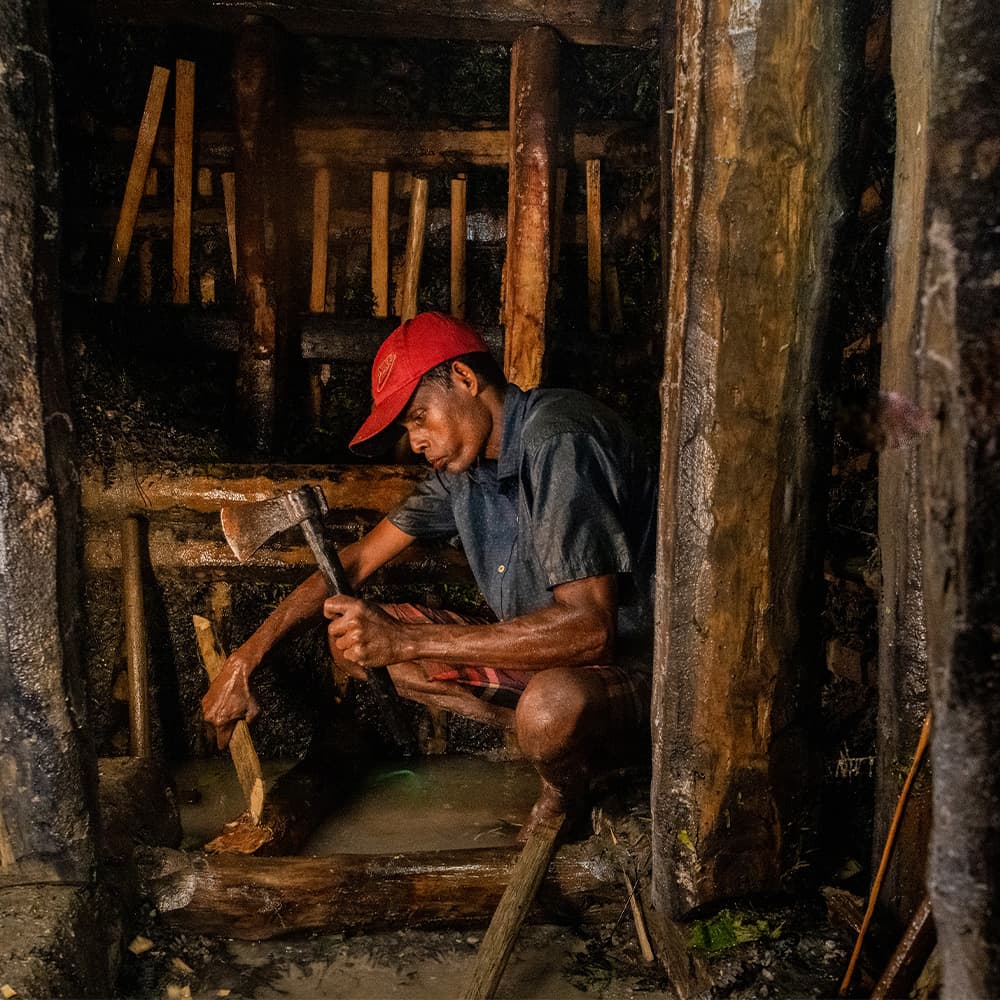
In the gem fields of Sri Lanka, the work begins before dawn. Miners sink narrow pits by hand to reach the gravel beds (the illam) where sapphires have settled over millennia.
The gravel is brought up and taken to the wash, where it is rinsed and sorted by eye in shallow baskets. It is patient, skilled work; a single good stone can be the result of weeks of digging. Nothing here is mechanised on an industrial scale. This is artisanal mining, low-impact by nature.
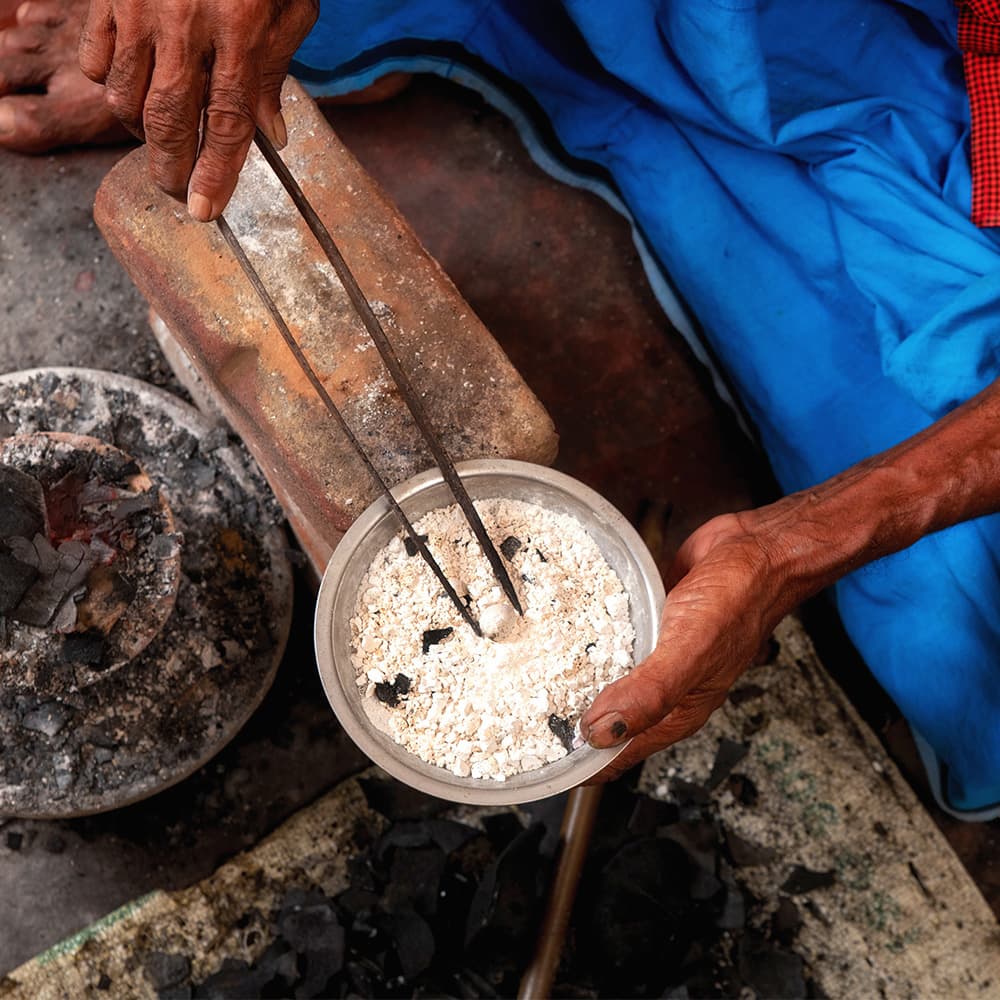
Rough that shows promise travels to the cutters of Beruwala, where a master lapidary studies each crystal and decides how to bring out its colour and life on the wheel. A stone is mounted on a dop stick and faceted by hand, prioritising beauty over raw weight.
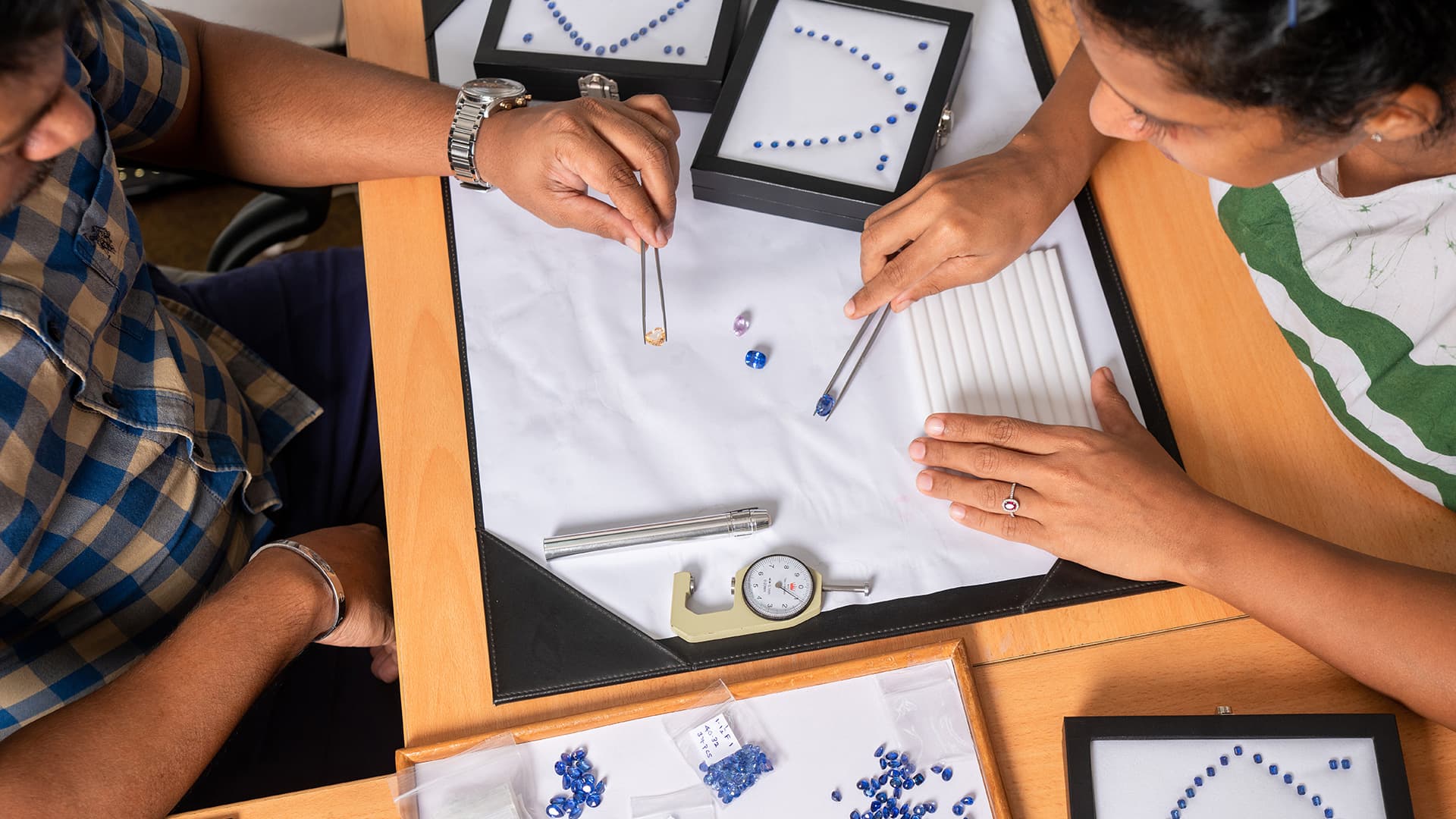
Finally, the finished stone reaches the grading table, and the significant ones go to an independent laboratory for certification. We know every hand a stone passes through on that journey, and that is exactly the point.
Frequently asked questions
- Where are Ceylon sapphires mined?
- In the gem fields of Sri Lanka, chiefly around Ratnapura, where rough is won by hand from gravel beds known as the illam.
- Is Sri Lankan sapphire mining ethical and low-impact?
- Ceylon's gem trade is artisanal by nature: pits are sunk by hand and the gravel is washed and sorted by eye, without heavy machinery or river diversion. It is low-impact and has been for centuries.
- Where are Ceylon sapphires cut?
- Promising rough travels to the master lapidaries of Beruwala, who facet each stone by hand on a dop stick, prioritising colour and life over raw carat weight.
- How long does it take to produce a finished Ceylon sapphire?
- A single good stone can be the result of weeks of patient digging, followed by hand-cutting and independent grading, the journey from gravel bed to certificate is rarely quick.
- What does it mean for a sapphire to be “traceable”?
- It means its journey is documented at every stage, from the gem field through cutting and grading to an independent laboratory report, a chain of people that can be named.