Once overlooked, Ceylon's blue-greens are now the connoisseur's choice. Here's why.
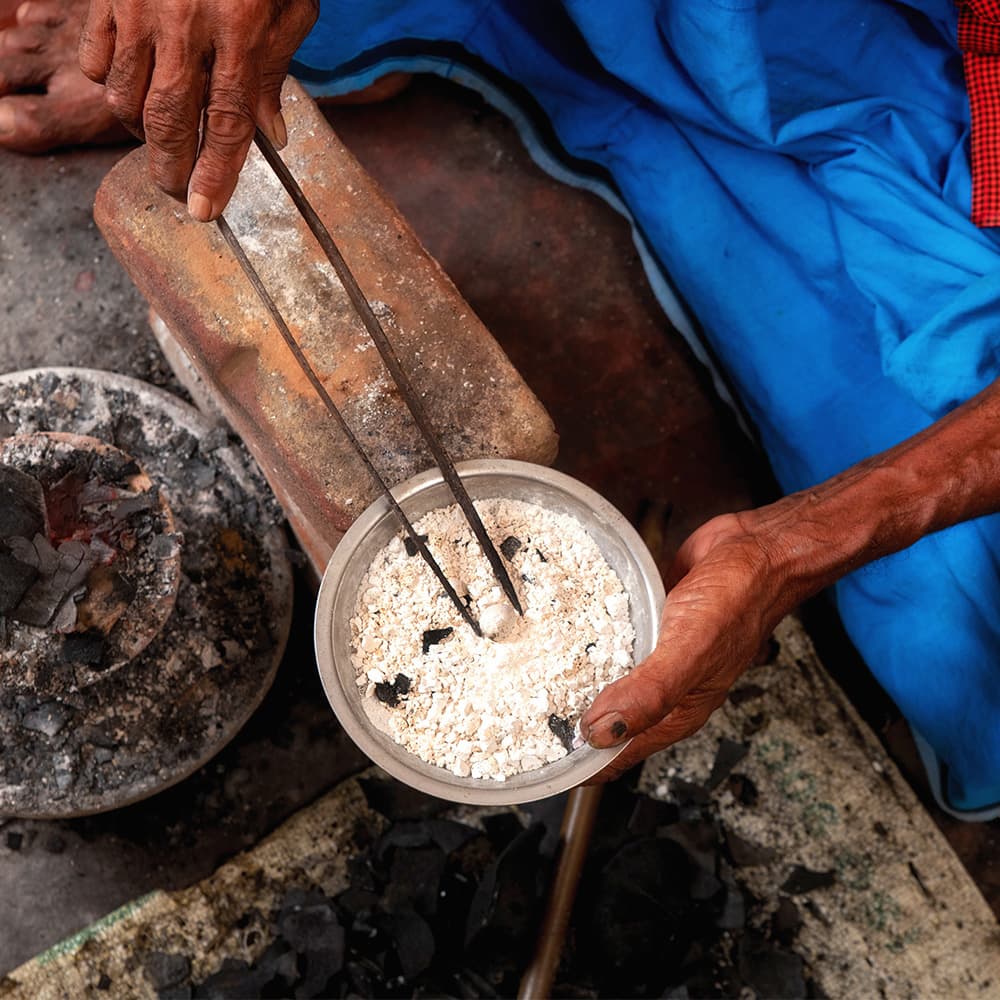
For decades the market wanted one thing from a sapphire: a pure, vivid blue. Stones that leaned green or sat somewhere between blue and teal were passed over, often heated in an attempt to push them bluer.
Tastes have changed. Collectors and designers now prize teal and blue-green Ceylon sapphires precisely for their in-between character, a colour that shifts with the light and feels modern rather than traditional. Because they were long overlooked, many survive unheated.
A great teal sapphire rewards a second look: peacock tones, a glassy clarity, and a personality no two stones share. For the collector who wants something quietly distinctive, it is one of the most compelling corners of the Ceylon market today.
Frequently asked questions
- What is a teal sapphire?
- A teal sapphire is a natural sapphire whose colour sits between blue and green. The best Ceylon teals show peacock tones that shift with the light.
- Are teal sapphires natural?
- Yes. They are genuine natural sapphires, and because the colour was long overlooked, many fine teal stones survive unheated, their colour entirely the work of the earth.
- Are teal sapphires valuable?
- Increasingly so. Once passed over, teal and blue-green Ceylon sapphires are now a connoisseur's choice, and unheated examples are especially prized.
- What is the difference between a teal and a parti sapphire?
- A teal sapphire is a single blended blue-green. A parti sapphire shows distinct zones of more than one colour, often blue, green and yellow, in the same stone.
- Are teal sapphires good for engagement rings?
- Very. Sapphire is extremely hard (9 on the Mohs scale) and hard-wearing, and a teal stone offers a distinctive, modern alternative to a classic blue.