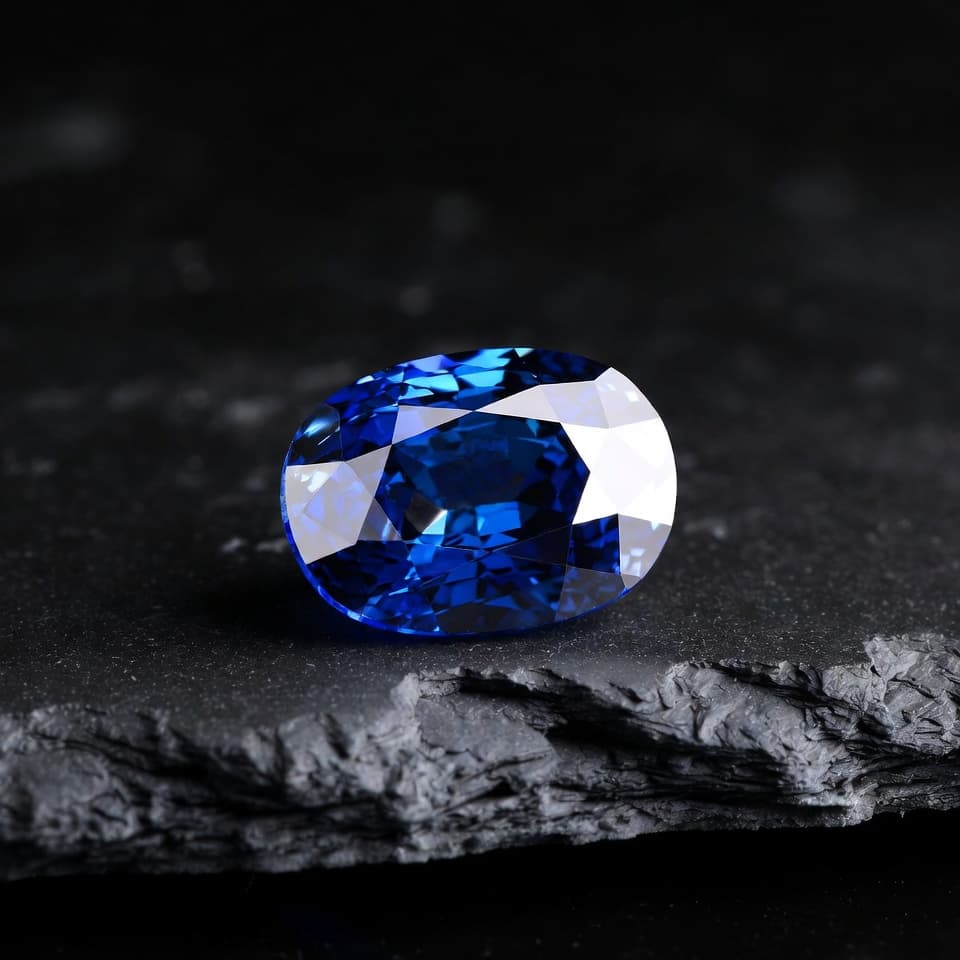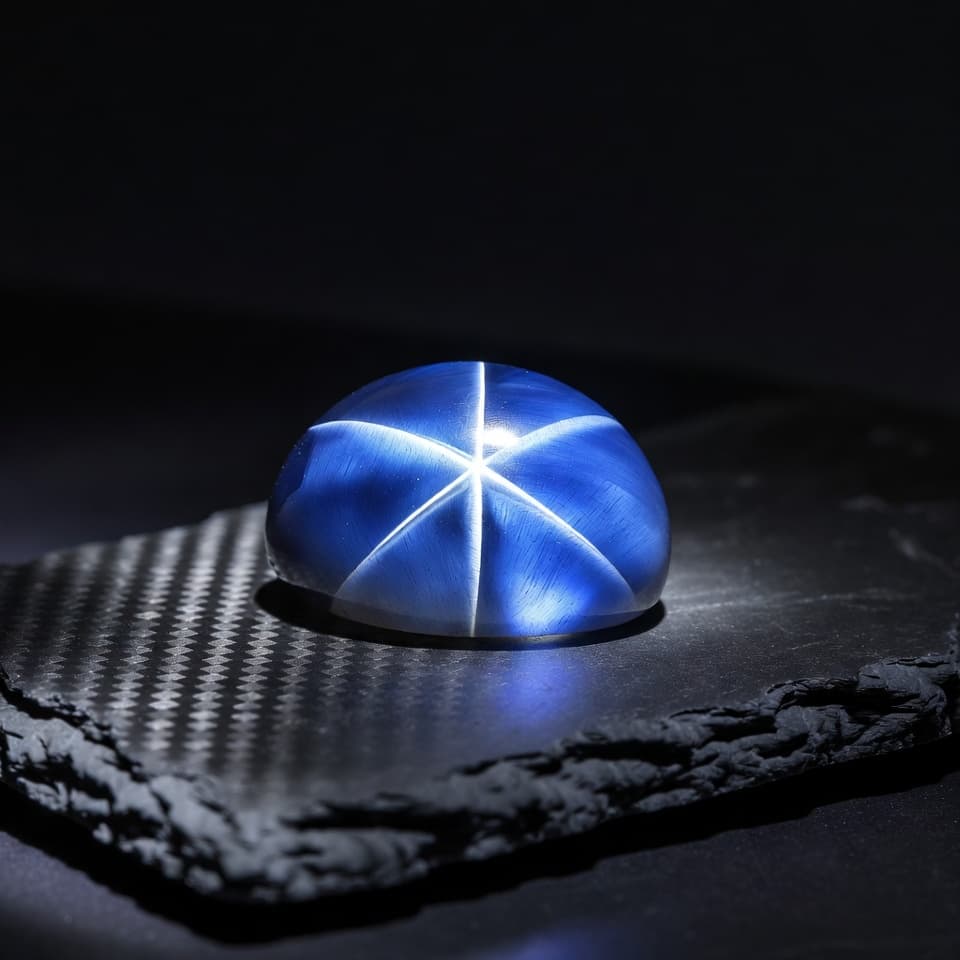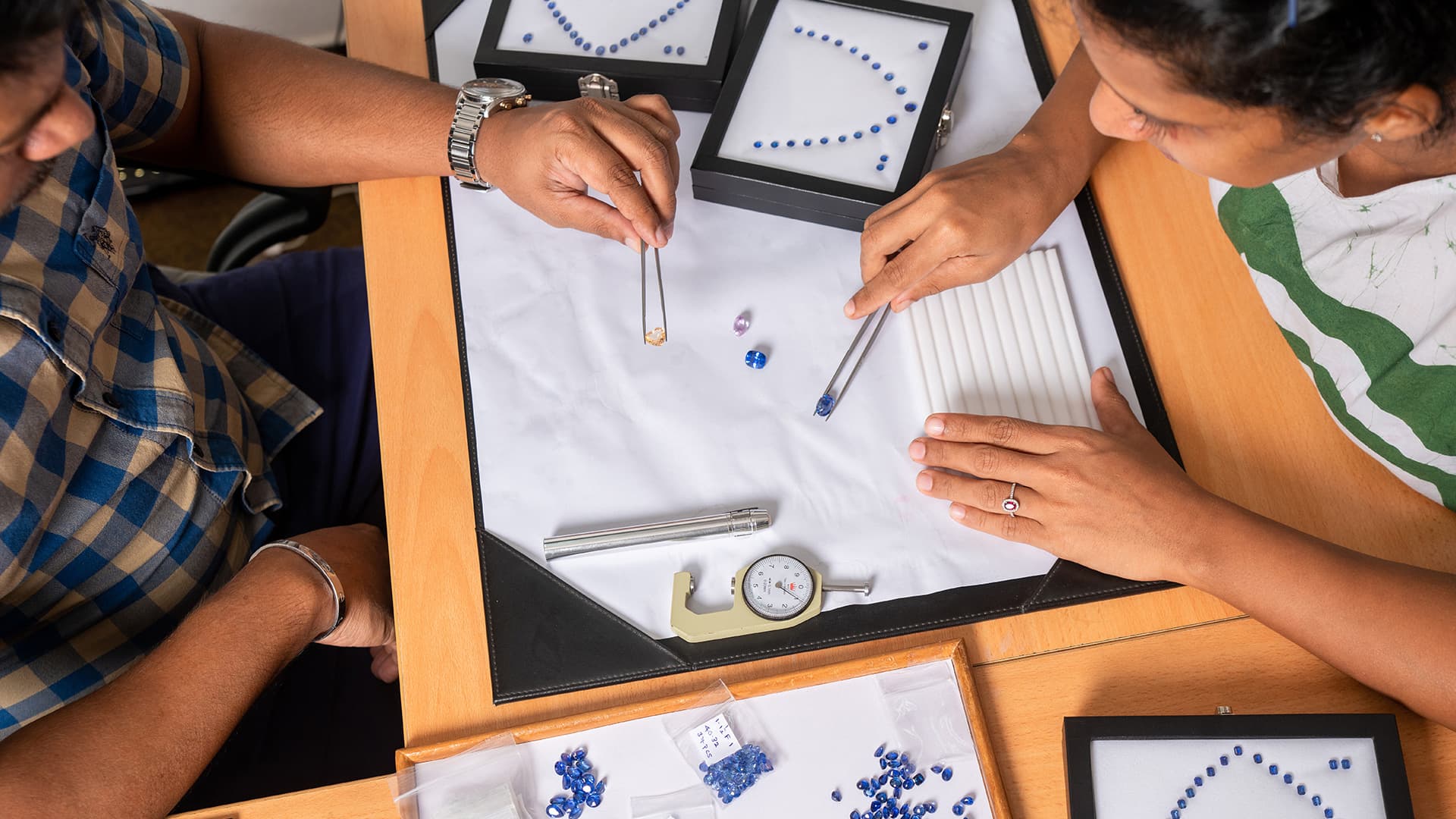
A teal sapphire is a natural blue-green Ceylon sapphire whose colour sits between blue and green; a parti (or bi-colour) sapphire shows two or more distinct colours in a single stone, most often blue and green, or teal and gold. Both occur naturally in Sri Lanka, and both are now among the fastest-growing categories in the entire coloured-gem trade: searches for teal sapphires have risen roughly 300% since 2020, and green-and-teal stones made up about a third of all sapphires sold on one major marketplace in late 2025.
Yet most buying guides still credit Montana or Australia for these colours, overlooking the island that has produced them for millennia. Here is what teal and parti sapphires actually are, why they have become the modern connoisseur's choice, and how to choose a fine one.
What makes a sapphire “teal” or “parti”
A teal sapphire is blue-green, a single, in-between colour that shifts with the light. A parti (bi-colour) sapphire shows two or more distinct colours within one stone, caused by natural changes in the crystal's chemistry as it grew over millions of years. The most prized combinations are blue-and-green and peach-and-teal, and because the zoning is natural, no two parti stones are ever identical.
Why demand has surged
- Modern taste, coastal, in-between colours read as contemporary rather than traditional; working bespoke designers now name teal as the colour clients ask for most.
- Individuality, every parti sapphire is one of a kind, which is exactly what younger collectors and engagement-ring buyers want.
- The numbers, teal-sapphire searches are up roughly 300% since 2020; blue and green stones together made up about 67% of one marketplace's coloured-gem sales in Q4 2025, with green and teal alone around a third of sapphires sold.
- Value, fine teal sapphires (roughly $800–$6,000+ per carat) often offer better value than pure royal blue of comparable quality.
Why Ceylon is the real home of teal and parti
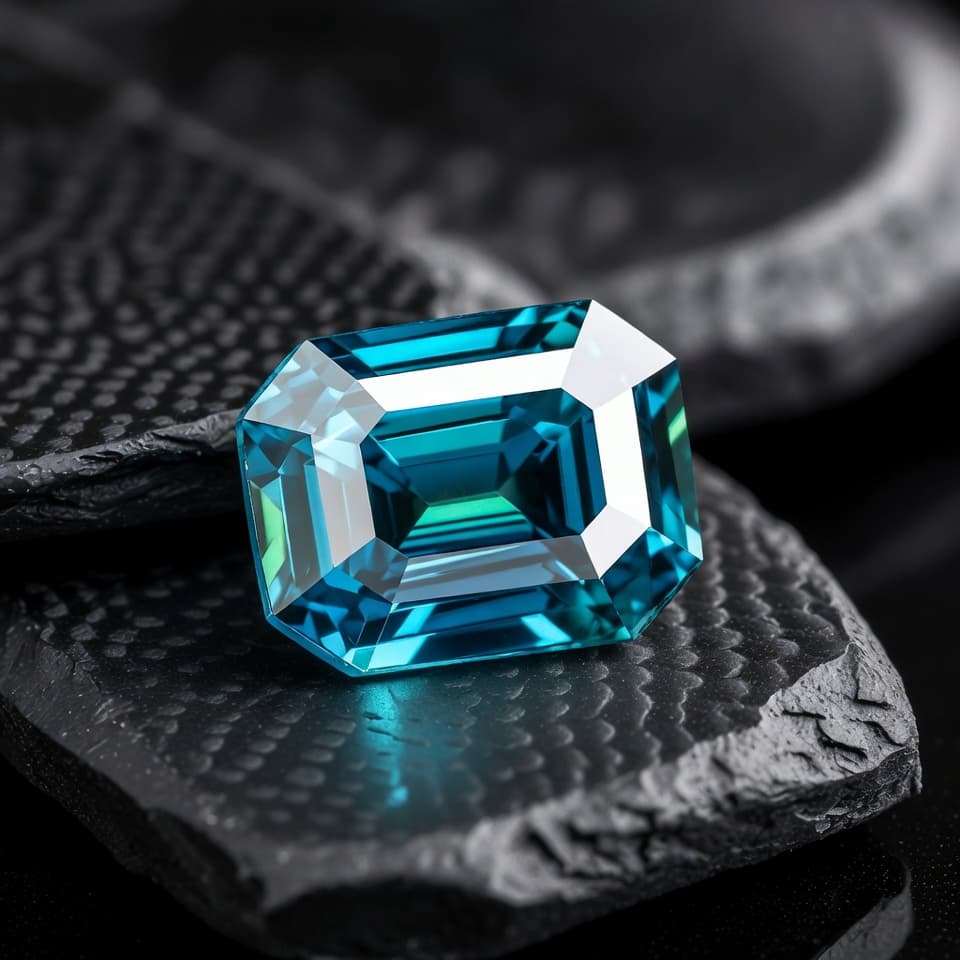
Sri Lanka, the “Island of Gems”, has produced the full sapphire spectrum for over 3,000 years, and its geology yields exactly the soft, luminous blue-greens and natural colour-zoning that define these stones. The trend may feel new, but the source is the oldest there is: when you buy a Ceylon teal or parti, you are buying the original, not an imitation of a fashion.
Heated or unheated?
Most teal and parti sapphires on the market are heat-treated, a standard, disclosed practice. But because these colours were overlooked for decades, many of the finest examples have survived untouched, making an unheated teal or parti Ceylon sapphire a genuine connoisseur's piece. Always ask for treatment disclosure, and for a significant stone, an independent lab report.
Buying a parti sapphire is buying a one-off. Judge it on how cleanly the colours divide, how lively the stone stays as the light moves, and, for a serious purchase, on an independent report confirming origin and treatment.
Frequently asked questions
- What is a teal sapphire?
- A natural blue-green sapphire whose colour sits between blue and green, frequently from Sri Lanka. It is prized for a modern, shifting colour that changes with the light.
- What is a parti sapphire?
- A sapphire that shows two or more natural colours in a single stone, most often blue and green, caused by colour zoning as the crystal grew. Every parti sapphire is unique.
- Are teal and parti sapphires from Sri Lanka?
- Yes, Sri Lanka (Ceylon) is one of their original and finest sources, though Australia and Montana also produce them.
- Are teal sapphires cheaper than blue?
- Often, yes, fine teal stones frequently offer better value per carat than comparable royal-blue sapphires, though exceptional examples are highly sought after.
- Are teal sapphires heated?
- Most on the market are heat-treated (standard and disclosed); unheated teal Ceylon sapphires are rarer and more prized.
Sources