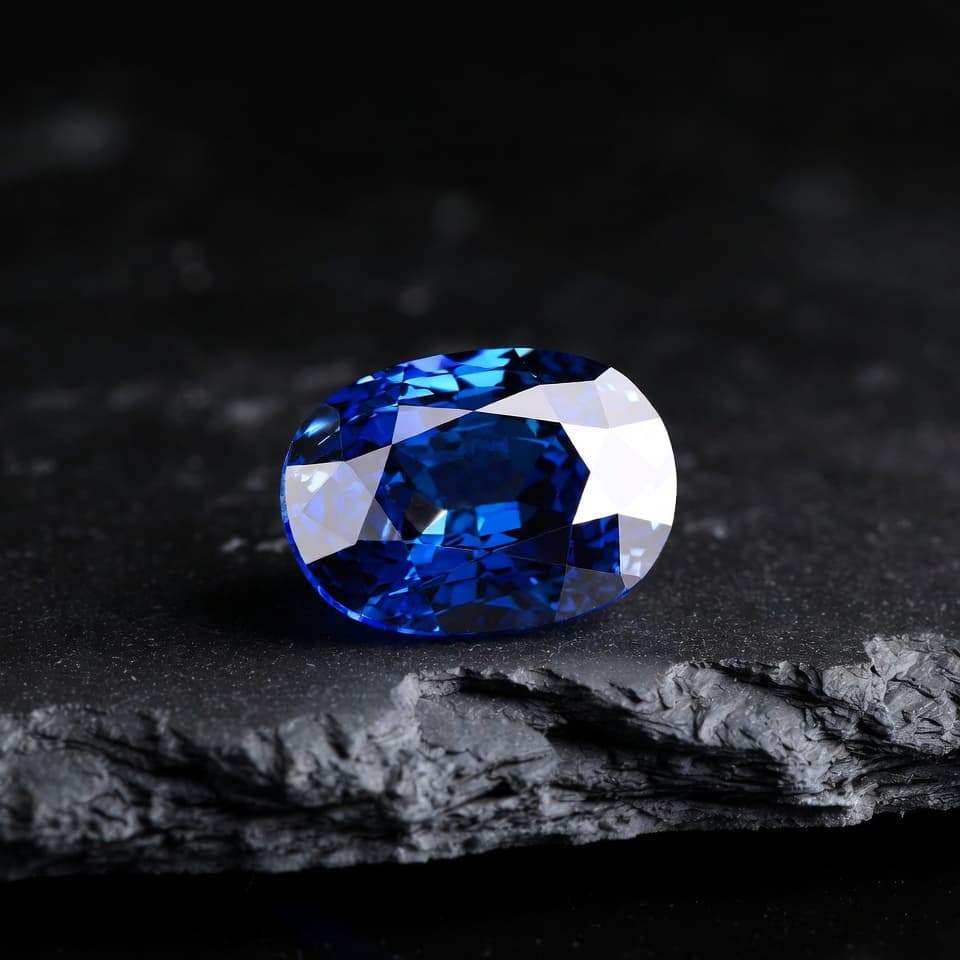
A Ceylon sapphire is a sapphire that formed in Sri Lanka, the island historically known as Ceylon. Ceylon is an origin, not a colour or a grade. After size, origin is the largest single factor in a sapphire's value, and it is established by laboratory analysis of a stone's trace elements and inclusions.
Sri Lanka has produced sapphires for over two thousand years and is one of the few origins that yields the full colour range, from classic blue to the rare padparadscha. A confirmed Sri Lankan origin places a stone in a defined tier of the market, above Madagascar and below only Kashmir and Burma.
Why origin matters
Corundum from Sri Lanka tends toward high transparency and an unusually wide range of hues, which is why a confirmed Ceylon origin carries a premium. Origin is determined by an accredited laboratory, which compares a stone's trace elements and inclusions against reference collections. The laboratories most relied on for origin are GIA, SSEF, and Gübelin.
The colours of Ceylon sapphire
- Blue, from cornflower to royal blue, the classic and most recognised grade.
- Padparadscha, the rare pink-orange sapphire for which Sri Lanka is the classical origin.
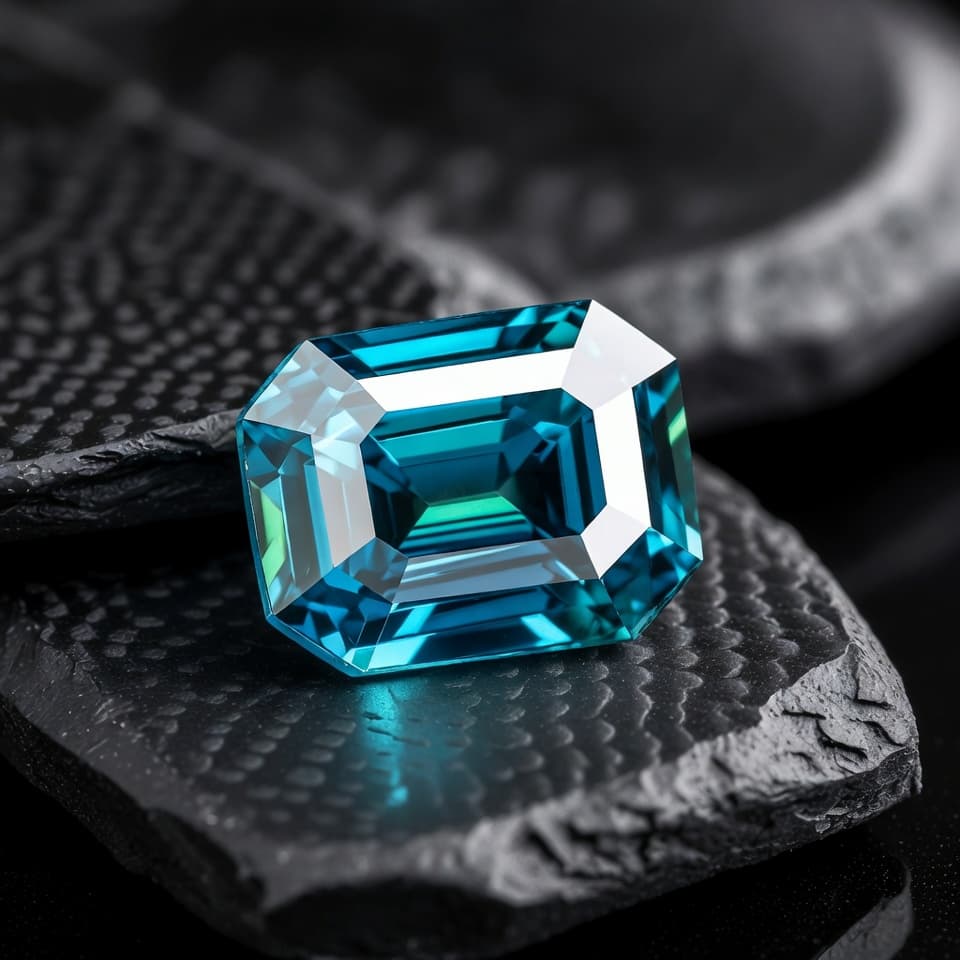
- Teal and parti, natural blue-greens and bi-colour stones, the fastest-rising category.
- Yellow, pink, green, white, and violet, the fancy colours Sri Lanka produces in quantity.
How value is set
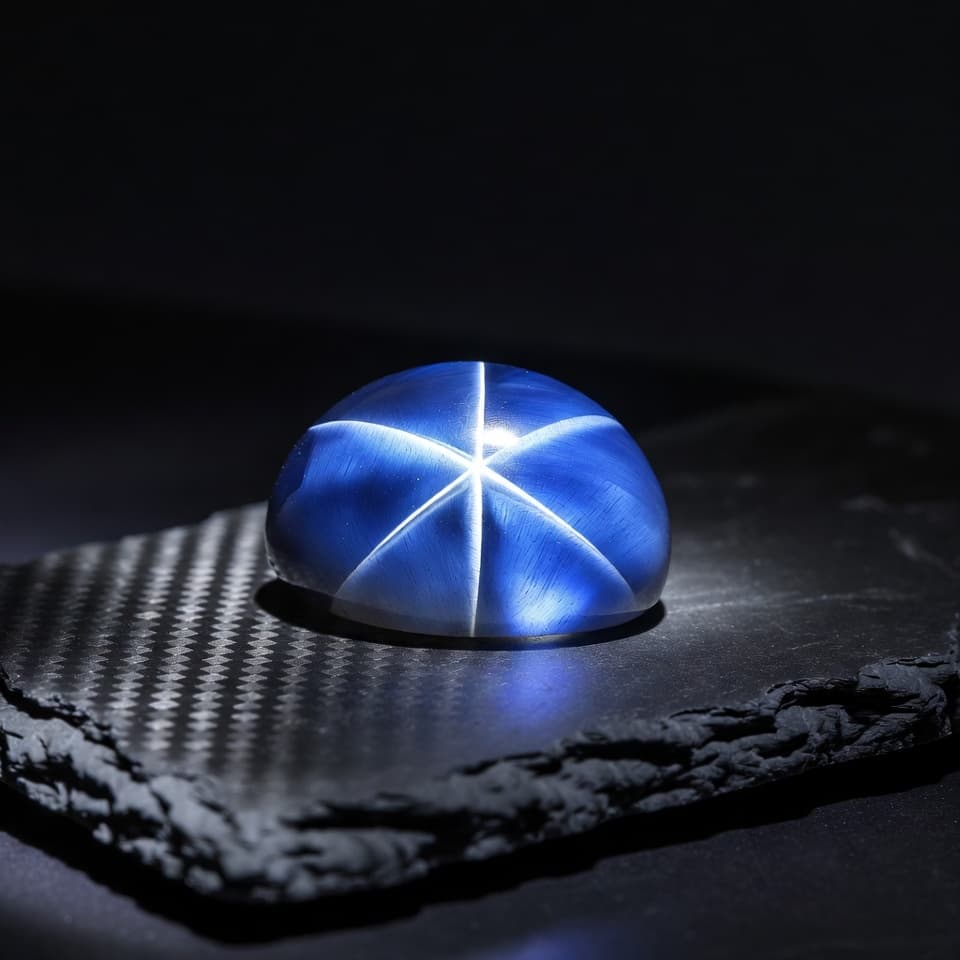
- Colour. Saturation and evenness carry most of the value, and grades such as royal blue and cornflower blue mark the finest.
- Treatment. Unheated stones are roughly one percent of the market and command a premium of 40 to 200 percent.
- Origin. A confirmed Sri Lankan report adds value in its own right.
- Carat, clarity, and cut. Sri Lankan stones are valued for transparency, and the 1 to 3 carat range is the heart of demand.
Durability and use
Sapphire is 9 on the Mohs scale, second only to diamond. That makes a Ceylon sapphire well suited to engagement rings and to pieces meant to be worn daily and inherited.
Ceylon names where a sapphire is from, not how good it is. For any significant stone, look for a confirmed Sri Lankan origin and an independent report on colour and treatment. The two together are what hold value.
Frequently asked questions
- What does Ceylon mean for a sapphire?
- It means Sri Lankan origin. Ceylon is the historical name for Sri Lanka, one of the oldest and most respected sapphire sources.
- Are Ceylon sapphires only blue?
- No. Sri Lanka produces the full range: blue, padparadscha, teal and parti, yellow, pink, green, white, and violet.
- Why do Ceylon sapphires command a premium?
- A confirmed origin, high transparency, an even colour, and, for unheated stones, genuine rarity. Unheated stones are roughly one percent of the market.
- How is Ceylon origin proven?
- An accredited laboratory such as GIA, SSEF, or Gübelin determines origin from a stone's trace elements and inclusions and states it on the report.
- Are Ceylon sapphires suitable for engagement rings?
- Yes. At 9 on the Mohs scale they are highly durable, and their colour and transparency suit daily wear.
Sources